So there aren't really beaches in Phoenix and it's not too much of a fight, except to get photos at the Glendale Recharge Ponds, but at any rate there's some decent migration type stuff happening around the sewage basins these days, plenty of year birds and sexy breeding plumage birds and some awkward in-between birds. Since Sunday afternoon was still holding the blessed effects of a rainy Saturday (I barely got sweaty!) it was the perfect time to see who was passing through and what all was going on where my waste, and others', ended up.

This Western Sandpiper above is in-between boring and sexy pluamge. Not terrible, but not as good looking as some of the other Westerns around, like Flashdance Western Sandpiper below.

Most of the Long-billed Dowitchers are well into their breeding plumage. They would be better appreciated for their intricate, subtle good looks if they weren't common and always occurring in groups of 6 or more. The LBDO is not an ambitious bird. It keeps its nose to the grindstone.

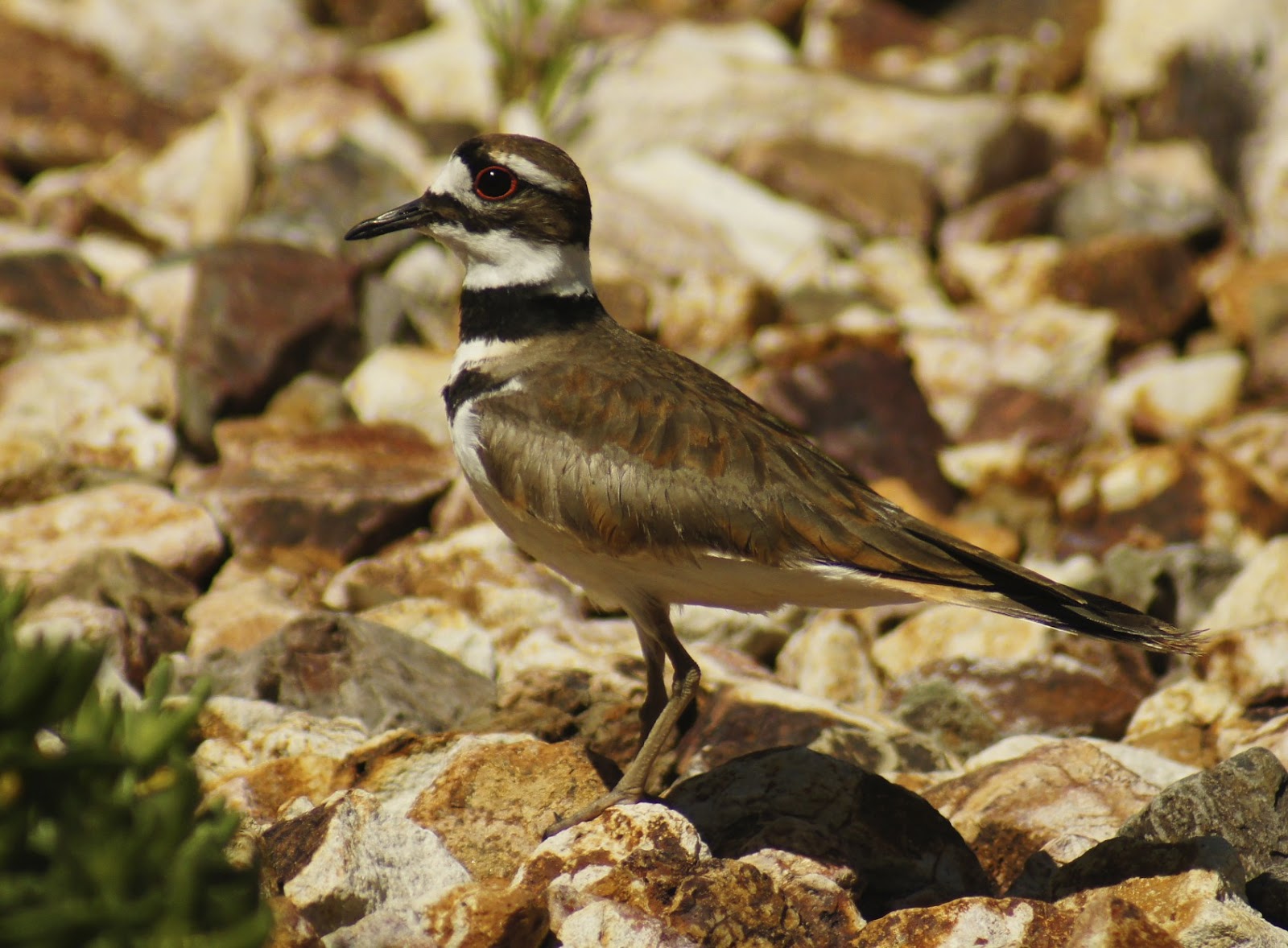
Of course, the Killdeer population has once again doubled in size, and now there are these disgusting adolescents running around only 2/3 the size of an adult Killdeer and half as vividly colored, so from a distance they give the excitement of something bigger than a Least or Western Sandpiper that's not a Killdeer or Dowitcher...but actually is. Little turds.

The center of the basins are still holding enough water to retain some of the Phoenix winterfowl. All three species of Teal were still present, as well as some Wigeons, and they were joined by two transient Franklin's Gulls, a gorgeous gull that I still always wish was something else.

Both species of Yellowlegs were present in small numbers, as well as a solitary Solitary Sandpiper. Some were feeding actively, while others stood to watch the sun set.

Perhaps the most exemplary displays of breeding plumage are exhibited by the numerous American Avocets right now. Not only are they big and conspicuous with their rusty heads, but they lumber awkwardly through the air squeaking and squawking with left over pent up sexual frustration. Nice.


Avocets look pretty out of their element in flight, at least most of the time. They're pretty specifically adapted for a life of picking through mud and reed flats, but every once in a while they turn on the dazzle and simply walk through the air like the secret badasses they really are.

Many of the birds still have some ripening to do, but that hasn't stopped a lot of them from going at it already, or at least just practicing their balance.

The main draw at the Glendale Basins, at least for this trip, was not the Avocets or other common migrants, but a pair of Dunlin that had been over-wintering. I had forgotten that these birds were around, or rather had assumed they moved on at some point. A recent listserv post mentioned they were still at the ponds, which meant that by now they'd be well into their breeding molt.

Such is the paucity of shore birding in Phoenix that I've never actually seen Dunlin in breeding plumage, only as larger droopy-nose Western Sandpipers in late autumn, so there was some special intrigue and excitement here. Of course, the Glendale Basins didn't really afford great photo opportunities, but I could appreciate the colors through a scope, and the continual strafing runs of Killdeer with my ears.

Alright well they're not the the most color birds, even in breeding plumage, plus they're the most common shorebird in North America (even over Least Sandpiper?) and they're named after the color gray (Dun), but all in all I appreciated this new look: Magnum.

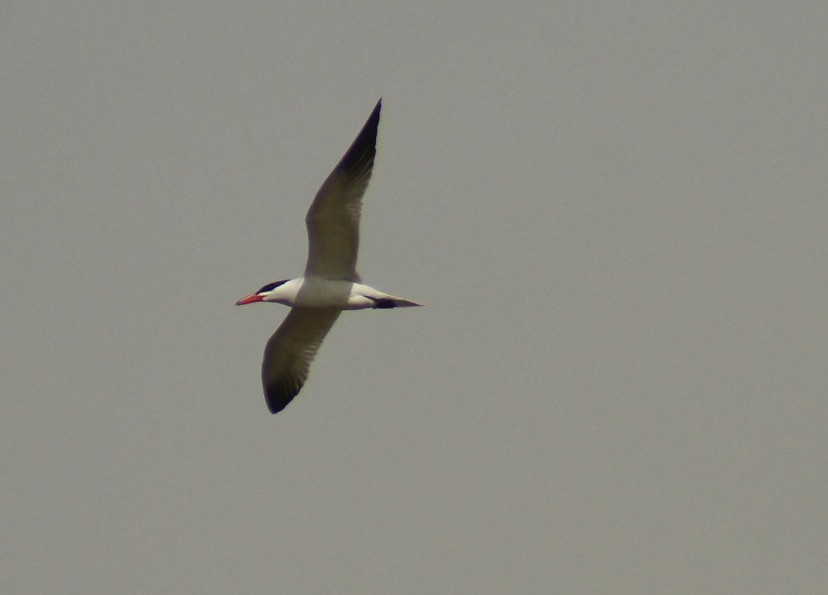
The Glendale listserv posts mentioned Forster's Terns and a Least. In addition to these sleek sternidae, there were Caspian Terns circling and eventually plunge-diving in the deepest (southeast) basin.

It's funny how the landscape changes food-chain dynamics. In the absence of Osprey, the Caspian Terns were the largest, meanest, most intimidating birds around the ponds, but near the coasts, where they'd more be in their element, they would be very mediocre. That being the case, I don't blame them for coming inland and strutting their stuff to the shock and awe of Phoenix's awedience.