This Spring Break was a long time coming. Many people anticipate this holiday and prepare for it with thematic shirts or tank-tops and large volume beer purchases. I'm not saying these things didn't also factor in, but definitely an escape from work and the general Phoenix scene were on the cards for Butler's truly. After some delays due to, yes, work, and other complications/restrictions, I departed for the coast on Wednesday, the same day or maybe a day before a gorgeous and chase-able Slate-throated Redstart showed up in Arizona. Best not to dwell on that...
I wasn't able to make stops for any of the SoCal desert resident birds nor spend time at the Salton Sea going to or fro, which leaves those less pleasant trips for when I'm rocking solo later this spring. Of course, birders want to cram as much birding into our travels as possible, but such considerations do not always resonate with a crowd that's contributing gas money and advocating more beach time. Fortunately, coastal birding brings its own rewards, and I found time to explore an estuary/inlet that brought salt marsh and seashore species together with a ripe, freshly-beached fish scent.

Whimbrel was one of the first birds I spent time with along the estuarial mudflats. These kink-billed waders are very well-manufactured birds, with all of their highly-adpated parts and soft-spoken camouflage making for an easy life even during migration. These sightings were all the sweeter because Whimbrel was an overdue (and embarrassingly lacking) lifer, a bird with high vagrancy potential that nonetheless does not occur in Arizona very often.
These praises and plaudits being established, one can tell that the wary Whimbrel has a chip on its shoulders, and this is largely because, despite their sturdy legs, lengthy proboscis, and economically stylish wardrobe, the Long-billed Curlew outshines them in all departments.

Ah, the sicklebird, a behemoth of the shoreline and a prober of the deep muck untouched by any other. LBCUs are not simply the largest sandpipers in North America, they're also some of the most snazzy. They bully the Whimbrels around and the Whimbrels accede to the LBCU's superiority. If you had some dude get in your face, and he had a nose that was 3 feet long, you would too. These birds were migrants and they still gave all the other shorebirds the business; they were prickly, downright erinaceous. But this must not distract from the main thing about them, which is that they are gorgeous.

Even the disheveled and travel-weary bird shown above is inspiring on-the-wing..."and we petty men walk under its huge legs, and peep about."

Small to medium flocks of Curlew migrate through central Arizona fairly regularly, but unless one smacks into your car or gets stuck being a stick in the mud, it's pretty hard to compete with the sort of looks one gets in the more coastal settings. It was super calm.

The estuary was also populated with Black-bellied Plover and lesser peeps, though ammodramus Sparrows did not seem to be in the area. After making sure I had acrid mud well under my toenails, I proceeded out to the shoreline, which was pleasantly devoid of people and pleasantly populated with, you guessed it, birds.
Of course, the feeling of appreciation was not mutual. Red-breatsed Mergansers are always flighty and skiddish (which, incidentally, are also the two stages of life of a frisbee), and these shoreline Mergs remained true to form. They were not calm.

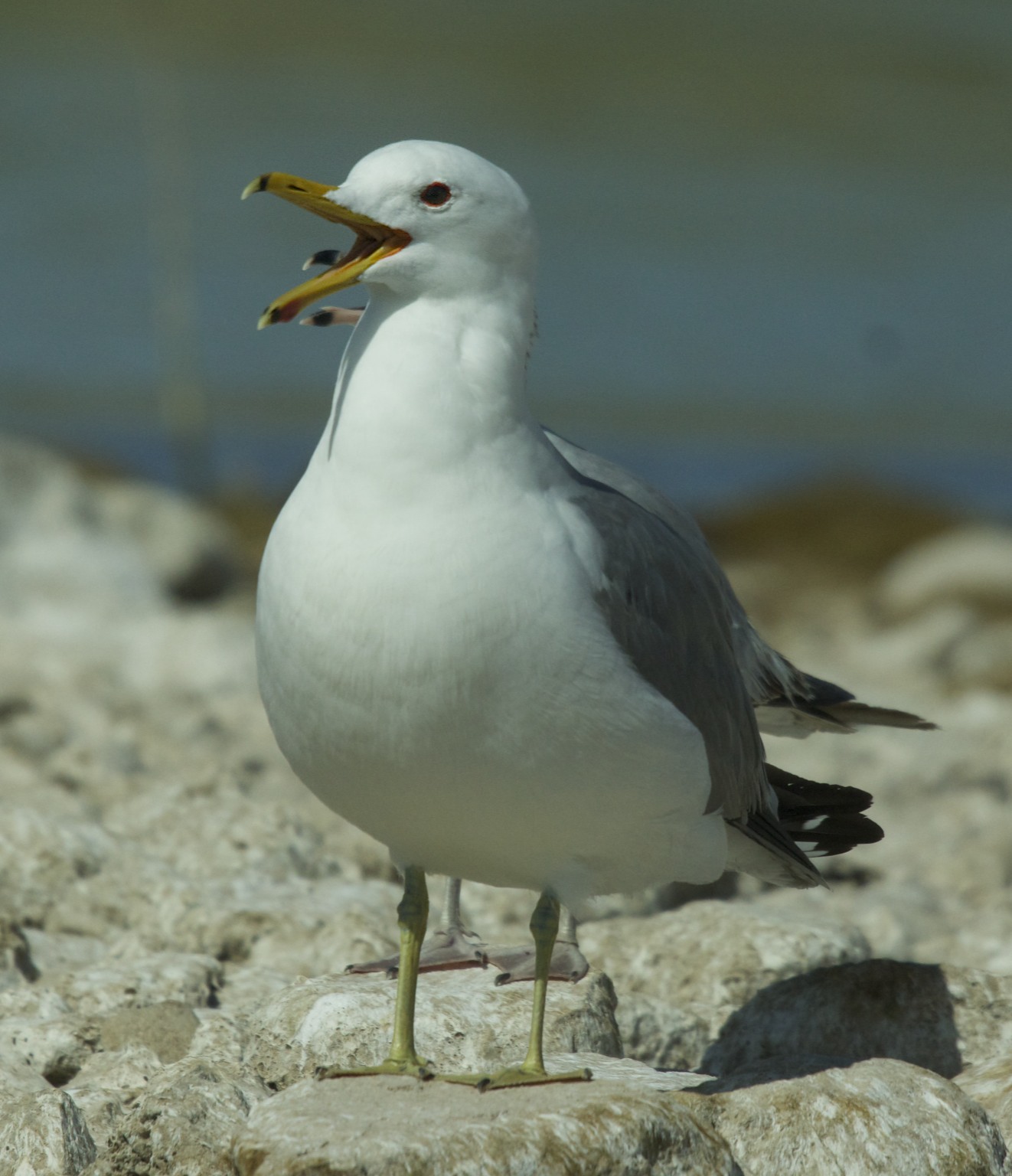
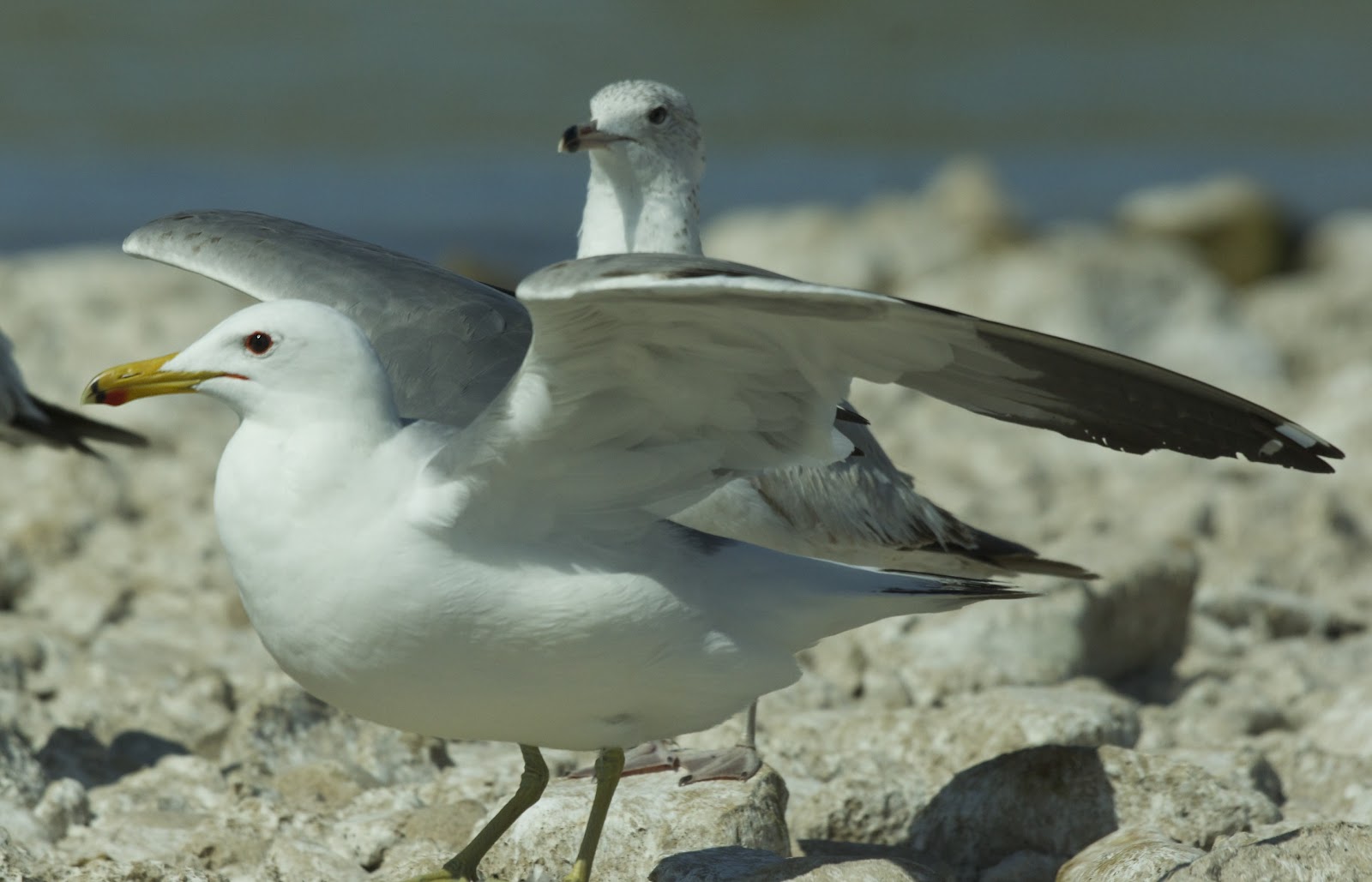
Most of the expected Gulls were around, including handsome Heermann's and California birds (so good that Utah adopted them right out of old folklore), but I got the impression that this strip of beach was not so frequently frequented by people, as these Gulls did not display the oft-observed tendency or either ignoring or pandering to me.


It's a shame. Phoenix duck ponds have spoiled me. I like being pandered to, like some sort of attention-seeking pander-bear, except with a more evolutionarily appropriate diet. HEGUs and CAGUs I was ready for, but a few smaller Gulls did cause some consternation. From the smaller pictures of Sibley came some textbook examples of adult non-breeding Bonaparte's Gulls--another bird and form of which I cannot boast familiarity (whereas, with Verdins, I can boast hella familiarity). The black tips and white coloration on the outer primaries and secondariness of the wings are sharp though, full credit.

More intriguing was a similarly-sized bird hanging with that same group. The black wing patterning was noticeably different, and the birdrenal gland started doing its thing when I recalled that first-year Black-legged Kittiwakes have the black beak and some sort of bold black pattern on the wings!

Alas, it was not to be. A quick consultation of The Tome confirmed that this bird, though in my opinion handsomer than its older brethren, is a first-winter Bonaparte's. Blarg. Well, if lifer Gull-forms count for anything, then I got a little piece of something. Eh, that bird has a weird lumpy double forehead anyway.
But Terns are pretty sweet, as this recent anthology by Seagull Steve reminded the blogosphere. Elegant Tern was a lifer for me last September, and even though their numbers around Half Moon Bay were significant, there was not a lot of quality time. This exiguous experience of the past was put to rest by a more eximious Spring Break party time further south.


As anyone who has one or more eyes and isn't obstinate on principle can tell you, Terns are good flyers. They are good at it, and they look good while they're doing it. In fact, they're so good they don't even have to follow the usual convention of comfort and aerodynamics.
Nah, this Tern was probably just checking out a dead pile below it, which I in turn checked out as well, getting my only Pacific Loon photo of the trip.
Nah, this Tern was probably just checking out a dead pile below it, which I in turn checked out as well, getting my only Pacific Loon photo of the trip.


By happy coincidence another lifer from September, lucky #500 as it turned out, reacquainted itself on the young sand. At first I did not know what this Surfbird was doing. It looked agitated or uncomfortable but did not take flight. It seems like it's sitting on eggs right, but it's about 3,000 miles too far south to be doing such things.

The bird spread its wings and did some sort of half-push ups. As it seemed to be injured, I sat and observed without further approach for a couple of minutes, which affected nothing, and then approached directly to see if I could help the bird. At this point it took off immediately, seemingly without issue except for a dangling leg. Best of luck with the remaining journey Surfbird.

In case you're wondering, the Slate-throated Redstart disappeared before I returned, so the sunburn- having-been-avoided only soothed so much. On the upswing, there should be some nice-looking Warblers arriving in the higher climes of Maricopa County now, and many birders are starting to pitch tents even earlier in the morning in anticipation of That Great Spring Movement.